Wine related articles
The Importance of the Glass
Caesar - July 25, 2003
|
|
|
|
|
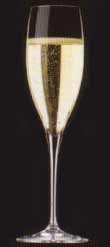
Flute |
|
|
|
|
|
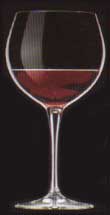
Balloon |
|
|
|
|
|
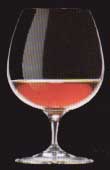
Brandy or Cognac Glass |
|
|
|
|
|
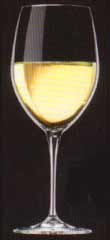
Ideal with white wines or young red wines |



The information and sensations that one perceives when tasting wine, are strongly influenced and affected by the characteristics of the glass used. For this reason, it is very important that the form of the glass used be as much as possible complementary to characteristics of the wine. A quick analysis of the appearance, aroma and taste of the various types of wine will show easily how the features of each individual glass have a function and must be so in order to get the best out of each wine type.
First, the glass needs to be made either of plain glass or pure cristal, without any trace of tint, grinding and/or decorations that could limit the total transparency needed for a good examination of the wine taken into consideration.
With the visual examination one appreciates the color, the limpidity and the consistency of the wine.
Taking into consideration wines that undergo a double fermentation, such as spumante or champagne, the flute allows for a better evaluation of the sparkle and bubble quality. A glass shorter and / or wider than the flute would disperse the effect, thus preventing the appreciation and evaluation of the perlage, or the quality and size of the bubbles that rise from the bottom of the glass.
The olfactory examination, arguably the most important of all, however is best appreciated when drunk from a wider glass on a good stem, which allows more volume for the wine to breathe.
The wider size of a balloon glass allows the liquid to swirl around its ample interior, enabling the disclosure of the complex perfumes of aged red wines. With the wide-mouthed glass, the noble old reds release their fragrant bouquet completely. On the other hand, a glass of smaller volume would deaden the aromas, concentrating the perfumes hitting the nose into a murky scent, thus annihilating any possibility of a clean and neat perception of any and all individual nuances.
It is a different matter with young red wines and the vast majority of white wines. These wines are best drunk from a smaller glass, with a smaller opening which helps concentrate their fainter perfume. The balloon glass would be too wide for the delicate aromas of such wines, since it would disperse the faint aromas letting but a small part of them hit the nose.
The length of the stem should lead the way in which the hand holds the glass. Usually, with white wines it is adviseble a long stem so that the hand does not touch the glass walls and warm up the wine inside. The long stem also keeps alien scents from the hands or clothes far. They could confuse the nose and compromise the appreciation of the most delicate aromas. With some kind of liquors such cognac or brandy, however, using a glass that invites the hand to wrap around the glass walls is a must. This helps bring the temperature of the liquid closer to the body temperature favouring the aerization of the particles scents.
The diameter of the glass’ mouth is of the utmost importance to the examination of taste. The differences in volume-dripping of the liquid in the mouth cause different reactions by the various areas of the tongue designated to perceive tastes. When one part of the tongue is more impacted than others from the wine fall, such as with a flute glass, that sector of the tongue perceives the wine aromas more intensely.
Acidic wines, such as spumante or young white wines, take great advantage from the characteristic shape and small mouth of a flute or a white wine glass. These glasses pour the wine mostly on the frontal part of the tongue which best appreciates the faint sugar residue. A glass with a wider mouth would deliver the liquid toward the whole mouth and the side of the tongue, attenuating the taste impact. This way, the strong acidity would crush all other flavours stopping their perception altogether.
The flavour of a sweet white wine, on the other hand, would be deadened by a flute glass or a small-mouthed glass. In this case, the pouring of the liquid on the tongue’s tip would deliver an excess of sugar, thus overpowering the faint acidity.
For an aged red wine which has an extended complex of tastes and sensations to deliver, a wide-mouthed glass which delivers the liquid to the whole mouth is called for. This allows for full appreciation of all the exotic and complicated nuances nurtured in its long years of refinement.
1,2,3,4,5,6,7,8,9,10,11,12,13,14,15,16,17,18,19,20,21,22,23,24,25,26,27,28,29,30
31,32,33,34,35,36,37,38,39,40,41,42,43,44,45,46,47,48,49,50,51,52,53,54,55
56,57,58,59,60,61,62,63,64,65,66,67,68,69,70,71,72,73,74,75,76,77,78,79,80,81